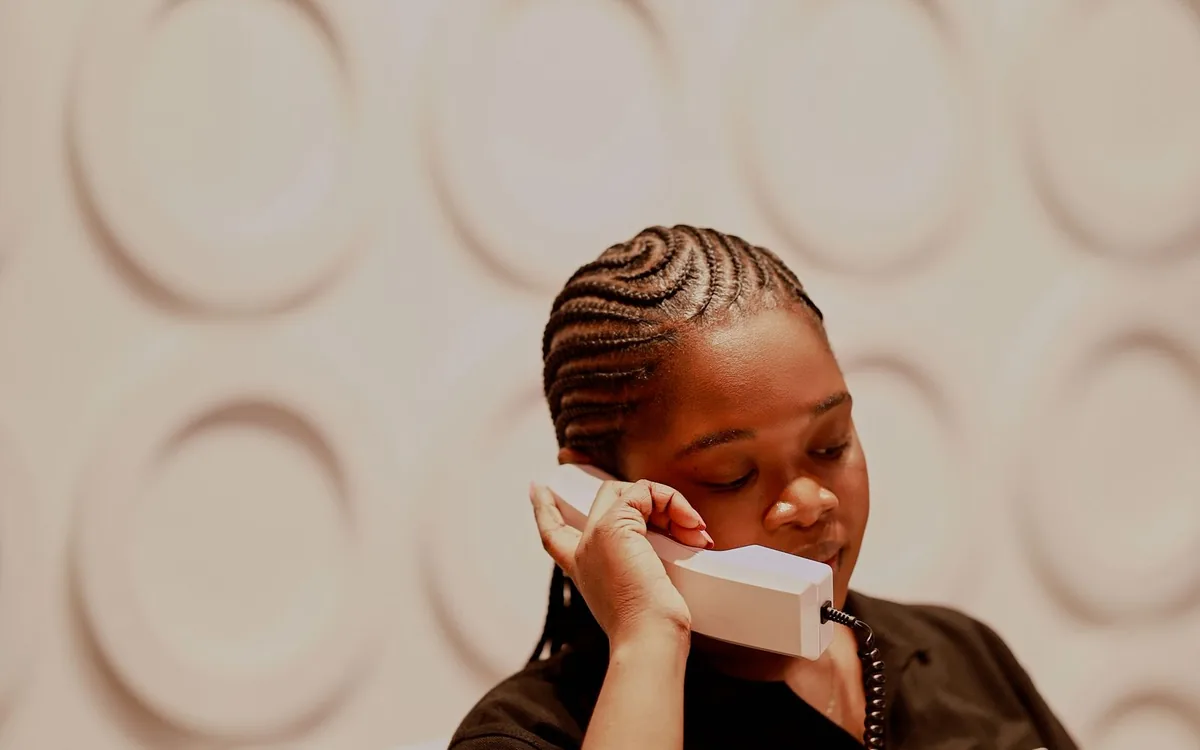
Picture a busy dental practice with two locations losing about six calls a day. This is an illustrative example, not a specific client. Not because anyone was lazy. Their front desk person was juggling check-ins, insurance calls, and a toddler having a meltdown in the waiting room, all at once. Something had to give, and it was usually the phone.
Six missed calls a day doesn't sound like much until you do the math. That's roughly 130 calls a month. If even a third of those were new patients, that's real money walking away because nobody picked up.
So when people talk about handing the front desk to AI, I get it if your stomach drops a little. You're picturing a robot voice mangling someone's name and hanging up on your favorite client. That's not what we're talking about here.
The fear is legitimate, the fix is not what you think
Most people picture AI receptionists like those awful automated phone trees. Press 1 for billing, press 2 to scream into the void. That's old technology, and it deserved its bad reputation.
What's available now is different. A good AI receptionist can hold a real conversation, know your business specifics, book an actual appointment on your actual calendar, and text a confirmation, all while sounding like a person who genuinely works there. It's not about removing the human touch. It's about making sure the human touch is available every single time someone calls, not just when your staff has a spare minute.
What a setup like that looks like
A well set up AI receptionist answers every call, day or night. It handles the routine stuff: scheduling, rescheduling, answering questions about hours or insurance, confirming appointments.
When someone calls with something complicated, an anxious patient, a billing dispute, anything emotional, it recognizes that and routes straight to a human on staff. No endless "I'm sorry, I don't understand your request" loops.
The front desk person still exists. She just spends her day doing the things that actually need a person: comforting a nervous kid before a cleaning, handling a tricky insurance situation, having an actual conversation with a regular patient she's known for years. The AI took the repetitive calls off her plate so she could focus on the conversations that need a human.
The part everyone skips: personality matters
Here's where a lot of businesses mess this up. They set up an AI receptionist with a flat, generic script and wonder why customers feel like they're talking to a wall.
You have to write it like your business actually talks. If you run a laid-back auto shop, your AI shouldn't sound like a corporate call center. If you run a high-end salon, it shouldn't sound like a drive-thru menu. Give it your business's actual vocabulary, your actual tone, even a little humor if that fits who you are.
For a dental office, that means it introduces itself by name, mentions the actual doctors, and uses warm, plain language instead of stiff scripted phrases. Done right, callers often don't realize they were talking to an AI receptionist until they get the text confirmation.
Where the human touch actually lives
I'll be blunt. Nobody calls a business hoping to have a deep emotional connection with whoever answers the phone. What they actually want is to get their question answered fast, book their appointment, and get on with their day. That's the human touch that matters most, respecting someone's time.
The old front desk model often failed at that basic job because one overworked person can't be everywhere at once. An AI receptionist that's set up right does the opposite. It's patient, it's available at 9pm when someone's finally free to call, and it never sounds annoyed that you asked the same question twice.
The warmth people actually remember, the doctor who remembers their kid's name, the mechanic who explains things without condescending, that stuff still comes from your people. AI just clears the runway so your people have room to do it.
What I'd tell you over coffee
If you're a small business owner watching calls go to voicemail during your lunch rush, you don't have to choose between a reasonable budget and staying human. You have to choose the right setup and actually put some thought into how it talks.
Cheap out on the personality and script, and yes, it'll feel robotic. Do it right, train it on your business, your voice, your actual customers, and most people won't notice the difference. Some will even say it's more pleasant than what they had before.
The front desk isn't disappearing. It's just finally answering the phone every single time.
If you want to see what this could actually sound like for your business, not a demo script, your real scenarios, I'm happy to grab a virtual coffee and walk through it with you.