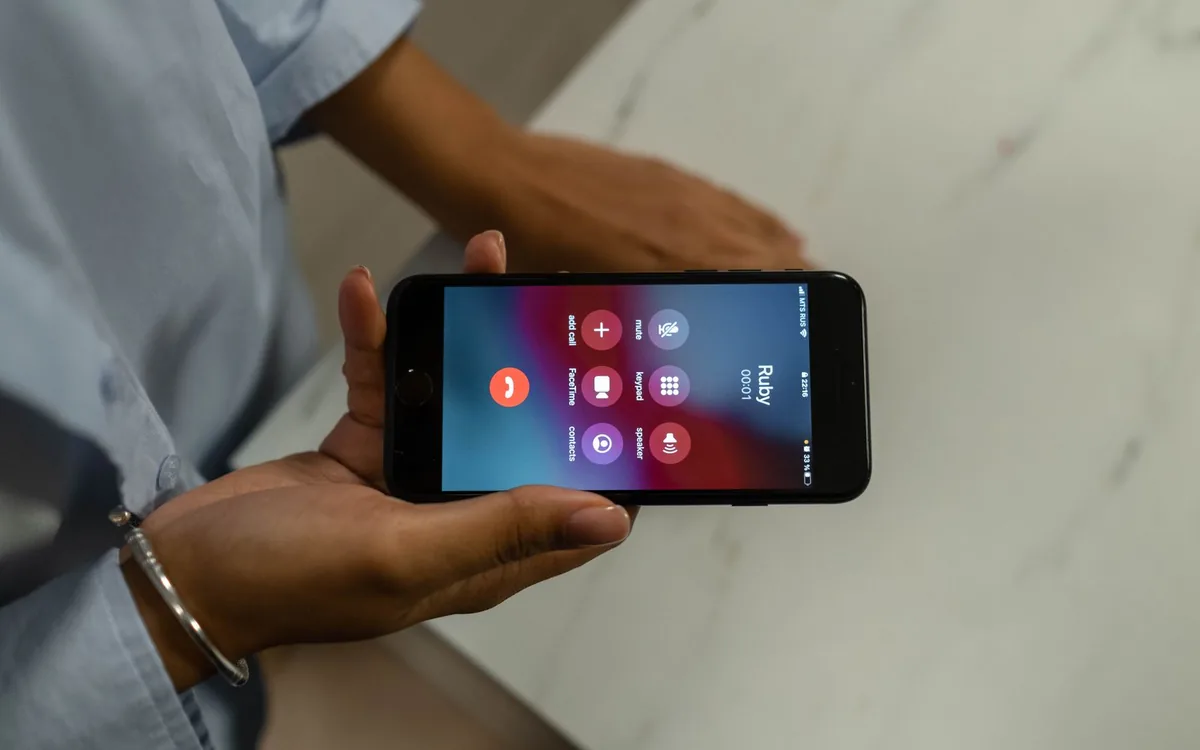
A guy who runs a garage door repair company told me something last month that stuck with me. He said, "I know I miss calls. I just have no idea what I'm missing."
That's the honest answer most owners would give if you pushed them. Not "we don't miss calls." Not "we have a system." Just a shrug and a guess.
So let's do the math nobody wants to do.
The call you didn't answer was probably a good one
Here's the thing about inbound calls to a small business. The person calling already decided you're worth talking to. They found you, they picked up the phone, they're ready to give you money or their problem to solve. That's about as warm as a lead ever gets.
Now picture it ringing four times and going to a voicemail box that says "leave a message and we'll call you back." Some percentage of those people hang up right there. Some leave a message and call your competitor while they wait. A few will actually wait for your callback, sure. But you already lost momentum, and momentum is most of the sale in service businesses.
I worked with a plumbing company last year that pulled their call logs for one month. Out of roughly 340 inbound calls, 61 went unanswered during business hours. Not nights, not weekends. Business hours. Two guys on jobs, one in the office juggling three lines. At their average ticket of $380, that's over $23,000 in potential work that just rang out.
That number isn't unusual. It's just rarely counted.
What's actually happening on those calls
Owners assume missed calls are mostly telemarketers or wrong numbers. Sometimes true. But when we actually go through client call data, the missed calls break into a pretty predictable pattern.
A decent chunk are new customers calling for the first time, often from a Google search or a referral, calling once and moving to the next name on the list if nobody answers. Another chunk are existing customers with a quick question, rescheduling, or an add-on request that would've been easy money if someone had picked up. And a smaller but real chunk are urgent, a pipe bursting, a lockout, an AC dying in July, the kind of call where the first business to answer wins the job on the spot.
None of these are junk calls. They're just calls that happened at the wrong second.
Why voicemail doesn't fix it
Voicemail feels like a safety net, but it's really just a slower way to lose the same customer. Most people don't leave a message anymore. They just call the next result on the list. Texting back an hour later doesn't help either, because by then they've already talked to someone who answered live.
The problem was never that you lacked a way to capture the call. It's that nothing was actually there to have a conversation in real time.
What an AI receptionist actually catches
This is where I get specific, because "AI receptionist" sounds vague until you see it work.
When a call comes in, it answers immediately, in a natural voice, and it actually talks with the caller. It asks what they need, gets their name and address, checks if it's an emergency versus something that can wait until Tuesday, and books it straight onto your calendar if there's an opening. If it's a question about pricing or service area, it answers it, because it's been trained on your actual business, not a generic script.
For that plumbing company, here's what changed in the first full month running an AI receptionist. Of those 61 previously missed calls, 44 were answered, and 19 turned into booked jobs without a human ever touching the phone. That's not hypothetical, that's what showed up in their scheduling software.
It also caught the stuff owners don't think about until it happens. A customer called at 9pm on a Sunday because their water heater was leaking. The AI booked them for first thing Monday morning. By the time the owner opened his laptop, there were two new jobs sitting on the calendar that he did nothing to get.
It's not magic. It's just a system that doesn't get tired, doesn't get busy on another line, and doesn't decide a call can wait.
The real cost isn't the missed call, it's the pattern
One missed call is nothing. It's the pattern that hurts. Fifty missed calls a month, every month, for years, quietly becomes the biggest leak in a small business, bigger than any marketing spend or ad campaign wasted on leads that never even got a chance to talk to someone.
You don't need more leads if you're already losing the ones calling you right now.
Worth checking your own numbers
If you've got a call log or a phone system that tracks missed calls, pull the last 30 days and just look. You might be surprised, or you might already know exactly what you'll find.
Either way, if you want to see what it looks like to actually catch those calls instead of guessing about them, I'm happy to walk through it with you, no pitch, just a real look at your numbers over coffee or a quick call.